
Chronic shoulder pain can make even simple daily tasks, such as getting dressed, reaching overhead, or sleeping comfortably, feel frustrating or impossible. When conservative treatments no longer provide relief, shoulder replacement surgery may be an effective option to reduce pain and restore function.
At Access Sports Medicine & Orthopaedics, our experienced orthopaedic surgeons take a personalized approach to shoulder replacement, carefully evaluating your condition, lifestyle, and goals before recommending surgery. Using advanced techniques and proven treatment plans, we help patients return to the activities they enjoy with improved comfort, strength, and mobility.
Shoulder Pain Evaluation
If you’re considering shoulder replacement surgery, a visit with an orthopaedic surgeon is your first step. During your visit, the specialist will perform a thorough evaluation to see if your condition could benefit from surgery. Your surgeon will likely request:
Once the surgeon has reviewed your test results and evaluated your condition, they will explain the ideal treatment and/or surgical options with you.
Shoulder Replacement Surgery Options
When nonsurgical options like physical therapy and medications don’t work to relieve pain and restore functionality, shoulder replacement surgery may be recommended.
Damaged parts of the shoulder are replaced with prosthetics made from plastic or metal.
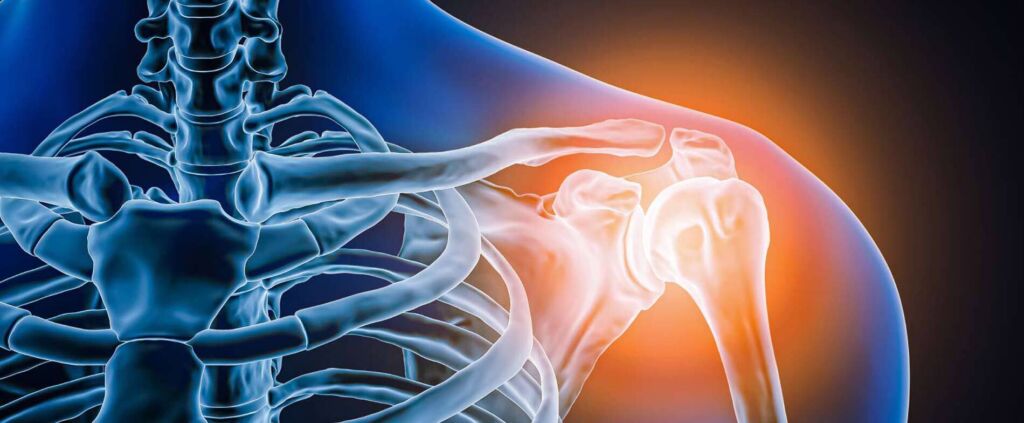
Treatment options are either replacing the head of the humerus bone (ball) or replacing both the ball and the socket (glenoid).
There are a few different types of shoulder replacement surgeries:
Shoulder Arthroscopy
Shoulder arthroscopy is a minimally invasive surgical procedure that uses a tiny camera inserted through a small incision to guide precise repairs with miniature instruments, offering benefits such as reduced pain, faster recovery, and a quicker return to activities compared to traditional open surgery.
Arthroscopic Rotator Cuff Repair
Arthroscopic rotator cuff repair is a minimally invasive procedure that uses a small camera and specialized instruments to carefully reattach torn tendons to the bone. With smaller incisions and a faster recovery time than traditional surgery, it’s an effective option for relieving pain and restoring shoulder function.
Subacromial Decompression for Shoulder Impingement
Subacromial decompression is a procedure that helps relieve shoulder pain caused by impingement. During the surgery, the doctor removes bone spurs and inflamed tissue to create more space for the rotator cuff tendons, allowing them to move more easily and reducing irritation. This can help improve shoulder function and ease discomfort.
Labral Repair
Labral repair is a surgical procedure that repairs a tear in the labrum, a ring of cartilage that supports and stabilizes the shoulder joint. During the procedure, the doctor uses stitches or anchors to reattach the torn labrum to the bone, helping restore shoulder strength and stability while reducing pain.
Total Shoulder Replacement
Also known as total shoulder arthroplasty, this procedure replaces the damaged humeral head (the joint ball) with a metal ball attached to a stem while installing a new plastic surface on the glenoid (the socket). However, total shoulder replacement may be unsuitable for individuals who wish to maintain a highly active lifestyle or have severely damaged rotator cuff muscles.
Partial Shoulder Replacement
For patients with a damaged humeral head but a healthy socket, a partial shoulder replacement may be recommended, also called stemmed hemiarthroplasty. This surgery involves replacing only the head of the humerus with a prosthetic implant while preserving the natural socket. Partial shoulder replacement typically requires a smaller incision and removes less bone compared to total shoulder replacement.
Reverse Total Shoulder Replacement
In some cases, patients may still experience pain after a traditional total shoulder replacement. The reverse total shoulder replacement procedure involves swapping the positions of the shoulder joint’s ball and socket. This adjustment changes the center of rotation in the shoulder joint, allowing other muscles to compensate for any loss of rotator cuff function.

Surgery Preparation Checklist
Preparing for shoulder replacement surgery in advance can make a meaningful difference in your comfort, confidence, and recovery. Your care team at Access Sports Medicine & Orthopaedics will provide specific instructions tailored to you, but the checklist below can help you get started.
Before Surgery
- Complete all required imaging, lab work, and pre-operative appointments
- Review medications with your provider and follow guidance on which to stop or continue
- Arrange transportation to and from surgery and help at home for the first few days
- Stop smoking if advised, as it can slow healing and increase the risk of complications
- Follow pre-surgery bathing or skin-preparation instructions provided by your care team
Prepare Your Home
- Set up a comfortable recovery space with pillows for arm support
- Place frequently used items at waist or shoulder height to avoid reaching
- Stock easy-to-prepare meals and essentials ahead of time
- Prepare loose-fitting, front-opening clothing that’s easy to put on and remove
- Consider assistive tools such as a reacher, shower chair, or ice therapy system if recommended
The Day Before Surgery
- Follow fasting instructions carefully (no food or drink after the time given)
- Confirm your arrival time and location
- Pack necessary items, including photo ID, insurance information, and comfortable clothing
Questions to Ask Before Surgery
- What type of shoulder replacement is best for my condition?
- How long will I need to wear a sling?
- When will physical therapy begin?
- What activities should I avoid during recovery?
- Who should I contact if I have concerns after surgery?
Your care team is always available to answer questions and guide you through every step of the process. Proper preparation helps ensure a smoother surgery and a more successful recovery.
Shoulder Replacement Recovery
Recovery from shoulder replacement surgery is a gradual process that focuses on healing, restoring mobility, and rebuilding strength. Most patients begin with a period of rest and sling use, followed by a structured physical therapy program designed to improve range of motion and function over time. While recovery timelines vary, many people experience steady improvements in pain and daily activity within the first few months, with continued progress as strength and flexibility return. Your care team will guide you through each phase to help ensure a safe, successful recovery.
View the shoulder surgery recovery protocols to learn what to expect after your procedure.